
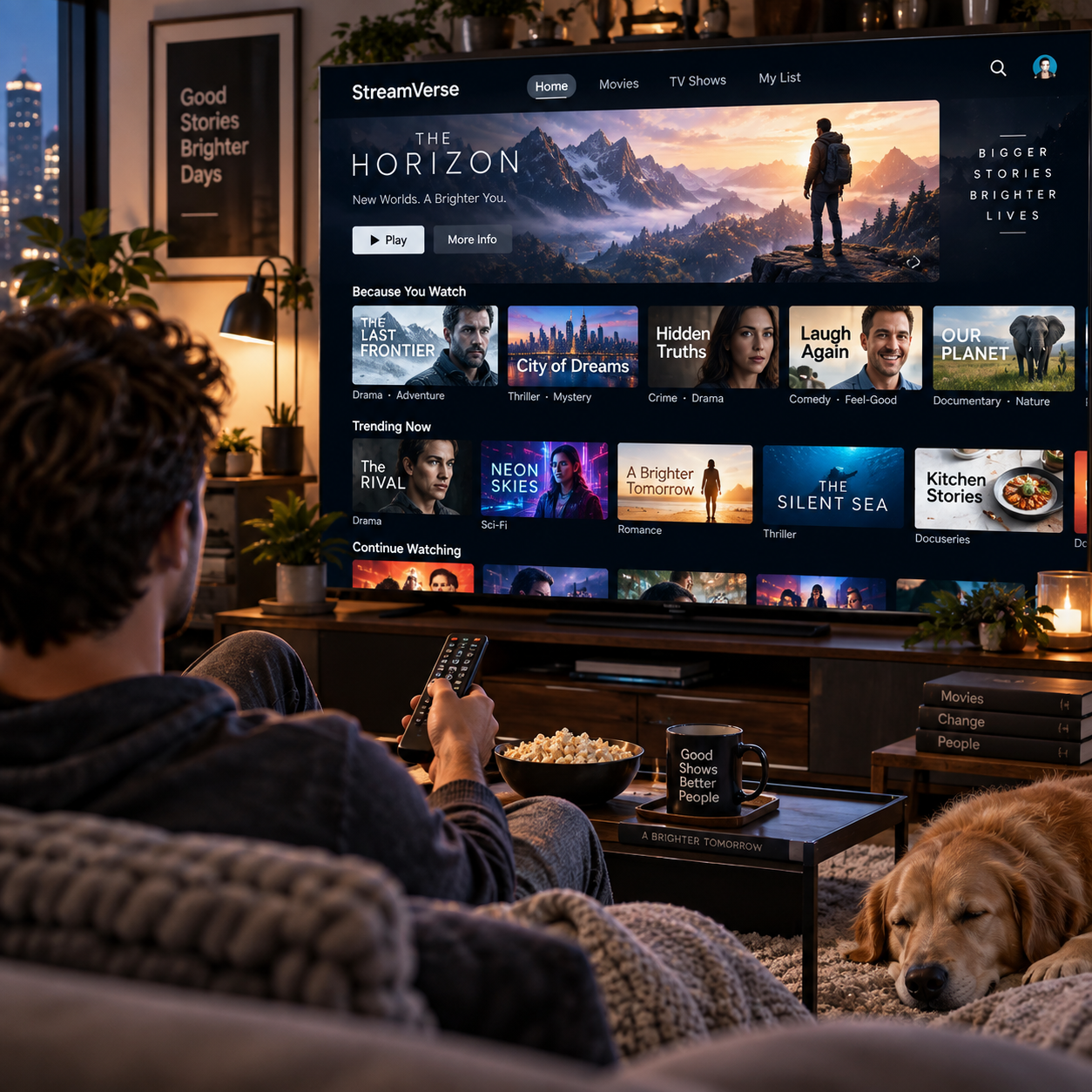

The Rise of Limited Series: Are Miniseries the New Blockbusters?

A story can now arrive as a two-hour event or unfold over several tightly connected episodes, then end by design. Limited series have become a prominent part of television and streaming, offering the scale and polish associated with prestige television while promising a complete narrative in a defined run. That makes them feel blockbuster-sized, though they serve a different purpose from blockbuster films.
What Makes a Series “Limited”?
A limited series is a television story planned to reach a conclusion within a finite number of episodes, rather than continue season after season. A miniseries is a closely related term, often used for a short, self-contained production, though labels can vary by network, platform, and era.
The defining feature is narrative closure. The central plot has a destination: a mystery is resolved, a relationship changes, or a historical event reaches its final chapter. A limited series may have a handful of episodes or a longer first season, but its story is built around an ending rather than an open invitation to keep going.
An ongoing TV series works differently. It may have a continuing premise, recurring characters, and new conflicts designed to sustain multiple seasons. A limited series can still leave some questions open or explore a new angle later, but it does not depend on renewal to complete its main story.
- Limited series: A planned, contained arc with a defined endpoint.
- Miniseries: Often a short, self-contained series; the term is sometimes used interchangeably with limited series.
- Ongoing series: A format designed to continue if the audience and production circumstances support it.
These categories are useful guides, not strict rules. A platform may describe a show as a limited series and later order another season, especially if a new season follows a different story or set of characters.
Why Limited Series Are Having a Moment
Limited series appeal because they offer viewers a complete story without asking for years of commitment. For creators, the format provides room to develop characters and themes beyond a film’s runtime, while keeping the destination in sight.
That balance suits audiences with crowded watchlists. A viewer can invest in a story knowing that its central plot has a planned finish. The format also creates a natural conversation arc: episodes introduce questions, build tension, and give viewers new material to discuss as the story progresses.
Creators gain a different kind of freedom. Instead of resetting the premise for another season, writers can shape the plot toward a specific ending. A character’s transformation can unfold gradually, and secondary perspectives can add context that a single feature film might have to cut. The result can feel intimate in one episode and expansive in the next.
For streaming platforms, finite stories can sit alongside returning dramas and comedies in a varied catalogue. They can attract viewers who want a focused experience, and a completed season is easier to recommend as a single commitment. Still, a limited run does not automatically mean less production pressure or a guaranteed hit. Each project must earn attention on its own.
The format’s appeal is best understood as a promise: enough time to go deep, with an ending in view. That promise works particularly well for adaptations, biographies, investigations, and stories built around a single turning point.
How Streaming Changed the Viewing Experience
Streaming platforms made limited series easier to watch on a viewer’s own schedule, and full-season releases can turn a short series into an immediate, concentrated experience. Weekly releases can create a slower shared conversation instead; neither approach is essential to the format.
On-demand viewing lets audiences move through episodes without waiting for a broadcast schedule. When a platform releases a whole season at once, viewers can follow the plot at their preferred pace, whether that means several episodes in a weekend or one a week. This flexibility fits self-contained narratives, where the ending is already part of the plan.
Release strategy also changes audience engagement. A weekly rollout gives each episode time to become a talking point and can sustain discussion over several weeks. A full-season drop gives viewers control but may compress the public conversation: people finish at different speeds, and plot details can circulate quickly. Platforms and producers must weigh those outcomes against the viewing experience they want to create.
Streaming has also expanded the range of places where episodic storytelling can reach an audience. A limited series can be discovered alongside films and ongoing shows, without relying on a traditional television slot. Yet availability is not the same as visibility. With many titles competing for attention, clear positioning and strong word of mouth still matter.
Miniseries vs. Blockbuster Movies
The main difference is scope: a blockbuster film concentrates its story into one feature-length event, while a limited series spreads its narrative across episodes. Either can feel ambitious or culturally significant, but they create different viewing rhythms and forms of engagement.
A blockbuster movie often builds toward a major theatrical or streaming event. Its production may emphasize spectacle, star power, or a high-concept premise, though blockbusters are not defined by scale alone. The film’s limited runtime makes compression part of the craft: scenes need to establish character and advance the plot efficiently.
A limited series has more space to pause, shift perspective, or follow consequences over time. That can support deeper character work and detailed world-building. The trade-off is commitment: viewers must return for multiple episodes, and the story needs to maintain momentum between them. Episodic storytelling gives writers more room, but every additional hour has to justify itself.
- Viewing: A movie is usually one sitting; a series is several sessions, whether watched close together or spread out.
- Story structure: Films compress the arc; limited series can build it through distinct episodes.
- Cultural reach: A film may concentrate attention around a premiere, while a series can generate discussion across its release window.
- Creative emphasis: A series can develop supporting characters; a film often benefits from sharper narrative economy.
Limited series can deliver blockbuster-like ambition through episodic storytelling, including cinematic production and a large canvas. But they do not replace the collective occasion of a major film release, nor does every series aim for that scale. The formats overlap in prestige and audience appeal while retaining distinct strengths.
The Creative and Commercial Trade-Offs
A planned ending can strengthen a limited series by giving writers a clear destination, but it also leaves less room to correct course or extend a successful story. The format’s appeal depends on disciplined pacing as much as on a compelling premise.
For writers and directors, knowing the endpoint can help align character arcs, episode structure, and production choices. Scenes can plant details that matter later, and the finale can resolve the main conflict instead of serving as a renewal pitch. The cost of that control is reduced flexibility: if an early idea proves less effective than expected, there may be fewer episodes or less time to reshape it.
There is also a risk of overbuilding. A story that could work as a film may feel stretched across episodes if each chapter lacks a purpose. The opposite problem arises when a dense premise is squeezed into too few installments. Producers need to choose a length that fits the material, not a fashionable episode count.
Commercially, a finite run can make a project easier for viewers to approach, but it also limits the usual route of bringing back the same characters for future seasons. A follow-up may require a new story, a different point of view, or a convincing reason to reopen a settled ending. Closure is a creative advantage and a commercial constraint.
High expectations create another pressure. Viewers may expect each limited series to feel like a prestige event, with cinematic production and a satisfying finale. Those expectations can elevate the work, but they can also make a modest, character-led story seem underwhelming if it is marketed as something grander than it is.
Are Limited Series Replacing Blockbusters—or Complementing Them?
Limited series are complementing blockbuster films, not replacing them. They answer a different need: a finished story with room for episodic development, rather than a single feature built around one concentrated viewing experience.
For viewers, the choice often comes down to the kind of attention they want to give. A movie suits someone looking for a complete evening’s entertainment. A miniseries can be a better fit when the subject benefits from multiple perspectives, gradual reveals, or a deeper look at character and consequence.
For the television and movie industry, the formats can coexist across streaming platforms, cinemas, and traditional television. A film can create a shared premiere moment; a limited series can sustain an audience’s interest over a sequence of episodes. Neither format owns prestige, spectacle, or emotional impact.
The useful question is not whether miniseries are the new blockbusters, but whether a story has been given the right shape. If it needs an hour of concentrated momentum, make a film. If its characters and ideas need room to unfold before a clear conclusion, a limited series may be the stronger choice.
Frequently Asked Questions
What is the difference between a limited series and a miniseries?
The terms often refer to a short, self-contained television story with a planned ending. “Limited series” is common in current platform and industry language, while “miniseries” has often described a compact, finite production. Usage varies, so the show’s structure matters more than the label.
Can a limited series have multiple seasons?
Yes. A later season may continue the story, follow different characters, or explore a new case or period. If the original plot is complete, a follow-up does not necessarily change the fact that its first season was designed as a limited story.
Why are streaming services investing in limited series?
Limited series give platforms a way to offer complete, focused stories alongside ongoing shows and films. Their finite structure can appeal to viewers who want a clear endpoint, though the format does not guarantee an audience or commercial success.
Are limited series as popular as blockbuster movies?
Popularity is difficult to compare directly because films and series are released, measured, and watched differently. Blockbusters can concentrate attention around a single event, while limited series can build engagement over several episodes. Both can become major cultural talking points.