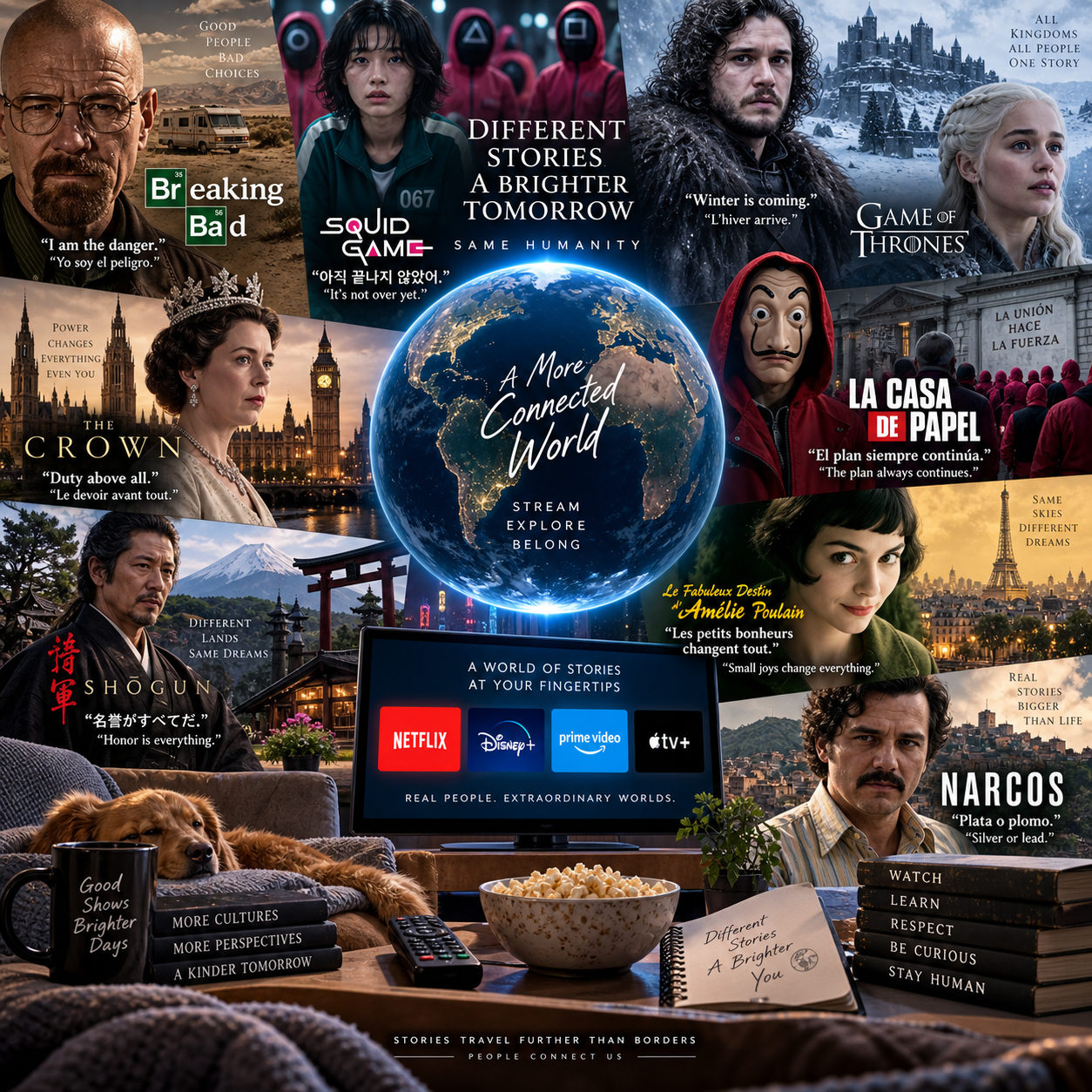

The Evolution of Streaming Platforms: From Netflix to Niche Services
The Netflix Era: Pioneering On-Demand Streaming
Netflix transformed the entertainment industry by launching its video-on-demand streaming service in 2007, shifting from DVD rentals to instant digital access. This move established the subscription model (SVOD) that would become the foundation for the entire streaming industry, allowing viewers unlimited access to a content library for a flat monthly fee.
The early Netflix strategy relied heavily on content licensing—securing rights to existing TV shows and movies from traditional studios. By 2010, the platform had proven that cord-cutting was viable, with millions abandoning cable television in favor of on-demand streaming. The convenience of watching what you wanted, when you wanted, without commercials or schedules, created a fundamental shift in viewing behavior.
Netflix's decision to invest in original content starting with House of Cards in 2013 marked another pivotal moment. Rather than depending solely on licensed material with expiring contracts, the company built proprietary content that competitors couldn't access. This strategic shift toward original programming would later become essential as content owners began reclaiming their properties to launch competing platforms.
The Rise of Competitors and the Streaming Wars
The streaming wars began in earnest around 2019 when major media companies launched their own platforms to compete with Netflix's dominance. Disney+ arrived with decades of beloved franchises, HBO Max brought premium content and theatrical releases, and Amazon Prime Video leveraged its massive retail ecosystem to bundle streaming with shopping benefits.
This competition fundamentally changed the economics of streaming. Content licensing became increasingly expensive or simply unavailable as studios pulled their properties to populate their own services. The Office left Netflix for Peacock, Friends moved to HBO Max, and Disney reclaimed its entire catalog. What started as a cost-saving alternative to cable began fragmenting into multiple subscriptions that rivaled traditional TV costs.
Each major platform adopted similar strategies: invest heavily in original content, secure exclusive theatrical windows, and compete on both library depth and new releases. Apple TV+ took an opposite approach, launching with only original content and no licensed library. The result was a crowded marketplace where platforms fought for subscriber attention and loyalty, often through aggressive pricing and bundling tactics.
Why Niche Streaming Services Emerged
Niche streaming services emerged because mainstream platforms couldn't satisfy every specific interest while maintaining broad appeal. As the major services competed for mass audiences with blockbuster content, gaps appeared for specialized genres, international programming, and underserved communities.
Several factors drove this platform specialization. First, content overload on mainstream services made discovery difficult—viewers spent more time browsing than watching. Niche platforms solved this by curating focused libraries where every title matched a specific interest. Second, licensing costs for major platforms excluded smaller distributors who could aggregate content the big players ignored. Third, passionate fan communities existed for genres like horror, anime, documentary, and classic film that deserved dedicated homes.
The subscription model worked particularly well for niche services. Unlike ad-supported platforms that needed massive audiences, SVOD allowed smaller services to thrive with dedicated subscriber bases. A horror streaming service didn't need 100 million subscribers—it needed enough genre enthusiasts willing to pay for comprehensive, specialized content they couldn't easily find elsewhere.
Market fragmentation also created opportunities. As households juggled multiple mainstream subscriptions, adding an affordable niche service for a specific passion became viable. Someone might maintain Netflix for general viewing but add a classic film platform for rare restorations and director's cuts unavailable on mainstream services.
Examples of Successful Niche Platforms
Successful niche streaming services span diverse categories, each serving passionate audiences with specialized content libraries. Genre-focused platforms cater to horror fans, anime enthusiasts, documentary viewers, and classic film buffs with deep catalogs that mainstream services can't match in depth or breadth.
International and regional platforms represent another thriving category. Services dedicated to Korean dramas, Bollywood films, Latin American telenovelas, or British television provide comprehensive libraries with proper subtitles and cultural context. These platforms serve both diaspora communities maintaining connections to their heritage and curious viewers exploring global entertainment.
Interest-based platforms go beyond entertainment genres. Faith-based streaming services curate religious content and family-friendly programming. Educational platforms focus on documentaries, lectures, and instructional content. Fitness streaming services offer workout videos and wellness programming. Each identifies an underserved audience and builds a focused library that justifies the subscription cost.
The key to niche platform success is depth over breadth. Rather than offering 10 horror movies among 10,000 total titles, a horror platform might feature 1,000 horror titles with rare imports, cult classics, and exclusive originals. This concentrated approach creates value that general platforms, despite their larger budgets, struggle to replicate.
The Current Streaming Landscape: Fragmentation vs. Variety
Today's streaming landscape offers unprecedented variety but at the cost of increased fragmentation and subscription complexity. The average household now subscribes to 3-4 streaming services, with combined costs approaching or exceeding traditional cable bills—the very expense that drove cord-cutting originally.
This fragmentation creates tangible frustrations. Content you want to watch might be split across multiple platforms, requiring subscriptions to several services simultaneously. Exclusive releases force viewers to maintain subscriptions they might otherwise cancel. The convenience that made streaming attractive gets eroded by managing multiple accounts, passwords, and interfaces.
Yet the variety benefits are real. Viewers can access content that would never have reached them in the cable era. Niche interests find dedicated platforms with comprehensive libraries. International content reaches global audiences without traditional distribution barriers. Independent creators find streaming outlets that value specialized content over mass appeal.
The trade-off comes down to cost versus choice. Choosing a few platforms means missing content locked behind other services. Subscribing to everything becomes financially unsustainable. Most households adopt rotation strategies—subscribing to a platform for a month to watch specific shows, then canceling until new content arrives. This viewing behavior pressures platforms to release content strategically rather than all at once.
What's Next for Streaming Platforms
The future of streaming platforms likely involves consolidation and structural changes to address current market unsustainability. Ad-supported tiers have already emerged across major platforms, offering lower-cost access in exchange for commercials—essentially recreating broadcast television economics within streaming infrastructure.
Bundling represents another emerging trend. Platforms combine services at discounted rates, mimicking cable packages but with streaming flexibility. Disney bundles Disney+, Hulu, and ESPN+. Telecom companies bundle streaming services with internet access. These packages reduce subscription fatigue while maintaining revenue across multiple properties.
Some analysts expect consolidation as smaller platforms struggle to compete with deep-pocketed competitors. Mergers between complementary services could create larger entities with more comprehensive libraries, reducing the number of subscriptions needed for broad content access. However, regulatory scrutiny might limit how much consolidation occurs.
Technology improvements will also shape streaming evolution. Better recommendation algorithms could reduce content overload. Interactive features might create new content formats. Live streaming integration could bring sports and events into on-demand platforms, further eroding traditional television's remaining advantages.
The tension between creators, platforms, and viewers will continue driving change. Content costs keep rising as platforms compete for exclusive programming. Platforms experiment with pricing, windowing strategies, and content release schedules. Viewers balance their budgets against their desire for comprehensive access. How these forces resolve will determine whether streaming's next phase brings simplification or continued fragmentation.